
From Field To Fork
Farm-to-table restaurants where Michigan's landscapes show up on the plate
Michigan’s agricultural reputation tends to revolve around ingredients: cherries, apples, wine grapes, blueberries, sweet corn, and a harvest season that stretches longer than many visitors expect.
But across the state, a growing number of restaurants are turning those ingredients into destinations in their own right. Some operate alongside active farms. Others build menus around close relationships with growers, changing naturally with the season and reflecting what’s available nearby. In fall especially, that connection becomes easier to see. Menus begin to shift, vineyards move into harvest, and kitchens lean into ingredients at their peak. These restaurants offer another way to experience Michigan—not just by seeing it, but by eating it.
In Traverse City, Farm Club has become one of northern Michigan’s most recognizable examples of the model. Part restaurant, part brewery, part bakery, and part farm market, the property blurs the line between dining destination and working landscape. Guests can walk the grounds before sitting down to eat, with fields and gardens helping shape what ultimately appears on the menu. Wood-fired cooking and house-made breads anchor the experience, while the setting reflects something northern Michigan has increasingly become known for: natural beauty, and food that reflects it. The result is a meal that extends beyond the table itself and into the landscape surrounding it.
That same connection appears in Detroit, though in a very different form. Coriander Kitchen and Farm combines urban agriculture with waterfront dining along a canal leading to the Detroit River. Seasonal produce grown on-site feeds into the menu, creating a restaurant experience that feels unexpectedly rooted despite its city setting. Coriander also hosts a number of seasonal dining experiences, from paddle-to-table dinners, where diners take a kayaking tour of the Detroit River and canals before a water-side dining experience, to a four-course “Friendsgiving” dinner in late November. The restaurant itself is a reminder that farm-to-table doesn’t necessarily require rolling countryside—and that Michigan’s agricultural identity extends into its cities as well.
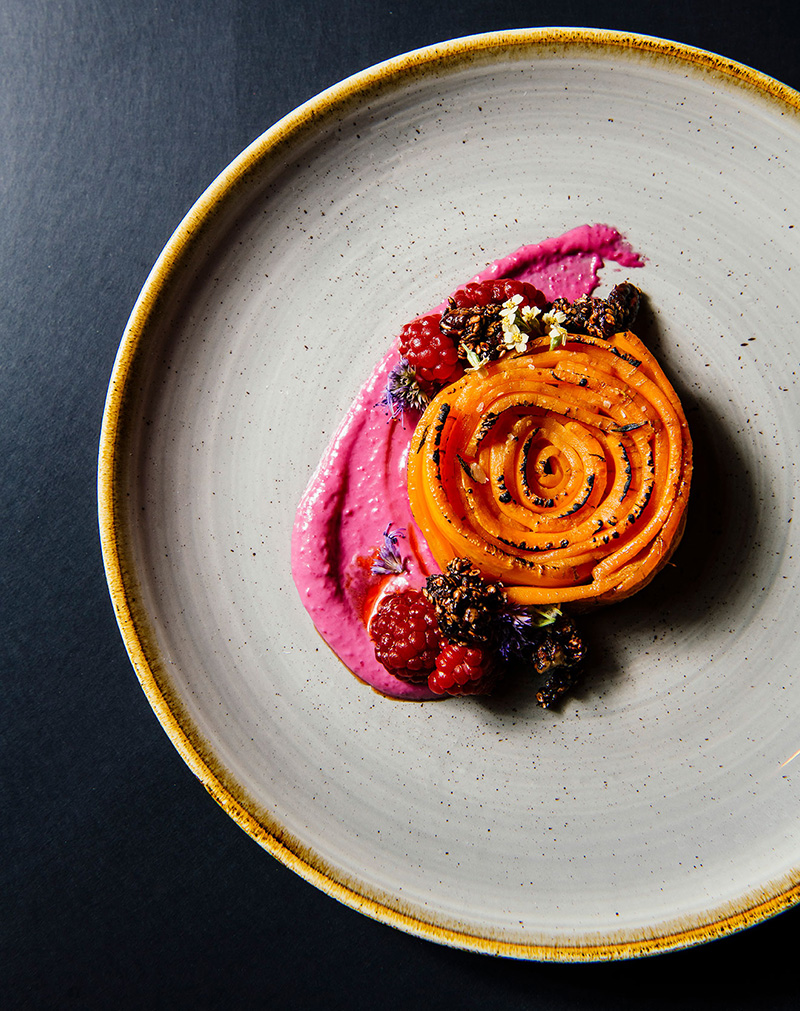
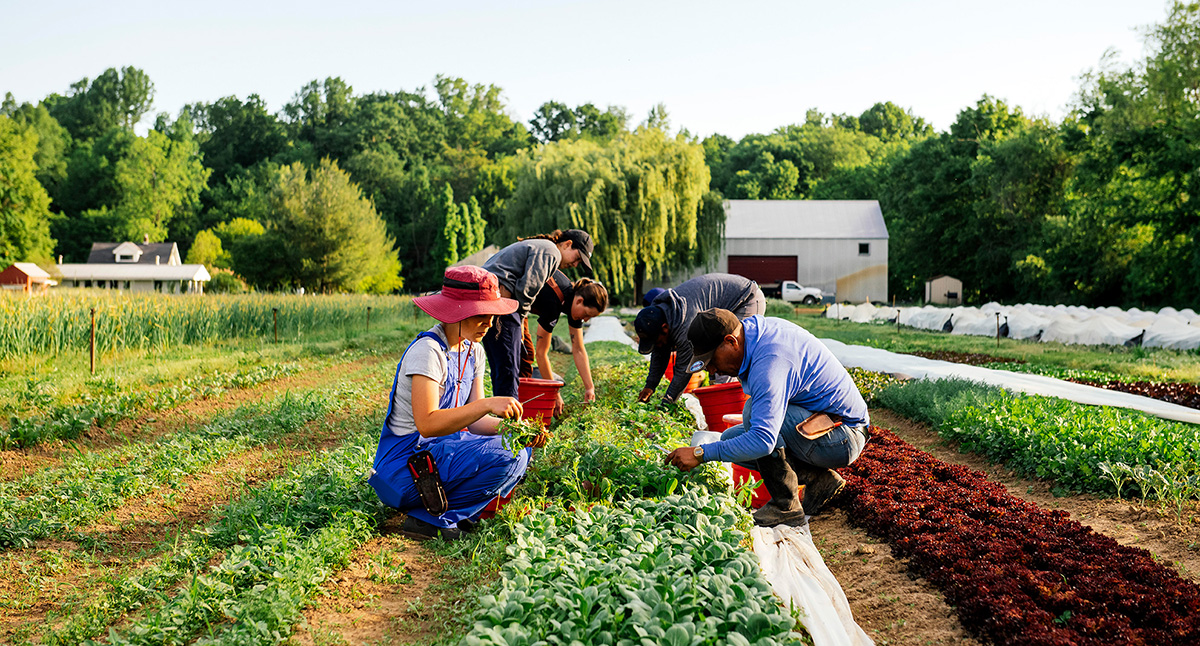
In southwest Michigan, Granor Farm takes the concept even further. Located near Three Oaks, the working organic farm builds meals around what is growing at that point in the season, creating a dining experience that evolves naturally through the year. Depending on timing, visitors may find greenhouse dinners, communal tables, or menus shaped by recent harvests. Granor also offers workshops and cooking classes on a range of specific topics, as well as private classes and a monthly sourdough club. Its proximity to Chicago has made it an ideal weekend getaway—and an opportunity to experience Michigan’s agricultural heritage firsthand.
Not every farm-to-table destination operates directly on farmland. In Traverse City, Trattoria Stella helped define the region’s local-food movement before farm-to-table became a familiar phrase. Located in the vaulted brick basement of the Village at Grand Traverse Commons—a beautifully restored former state hospital and mental asylum—the restaurant pairs upscale dining with one of Michigan’s most distinctive architectural settings. Menus shift seasonally and reflect the broader food culture that has helped establish Traverse City as one of Michigan’s strongest culinary destinations. Guests can even spot the restaurant’s famous black handprint, a fixture of local lore that has inspired ghost stories for years.
Farther south, Red Haven Farm to Table in Okemos helped establish the expectation that local, seasonal dining could be both refined and approachable. Built around close relationships with Michigan growers, the restaurant embraces menus that evolve throughout the year rather than remaining fixed. Instead of centering on a signature dish, the experience shifts with the harvest—moving from late-summer produce into fall ingredients and creating a meal that feels distinctly tied to the season.
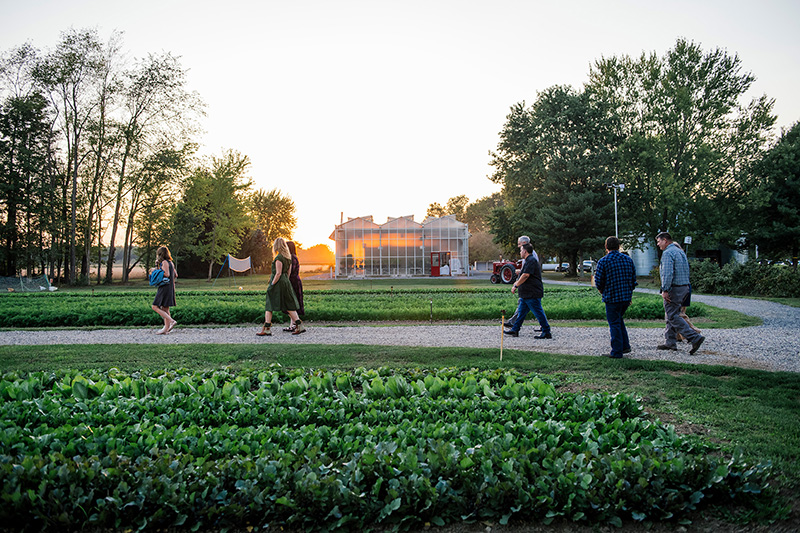
Across the state, restaurants like these reflect a broader shift in Michigan dining. The experience is no longer just about finding a good meal—it’s about understanding where it came from and how the season shapes it. Whether that means eating beside the fields, overlooking a city farm, or tasting ingredients at their peak, farm-to-table offers another way to see the state. And in fall, when orchards, vineyards, and late harvests become part of the landscape itself, it becomes one of the clearest ways to experience what makes Michigan distinctive.
TOP PHOTO: Granor Farms
Explore More

Pathways To Adventure
Michigan's scenic drives get most of the attention, but some of the state's best views aren't seen through a windshield. Read More
Scream Season
From cider mills and corn mazes to sprawling haunted attractions, Michigan offers a Halloween experience for nearly e... Read More

Following the freighters
From the Soo Locks to the Blue Water Bridges, these Michigan destinations offer an up-close look at Great Lakes freig... Read More