
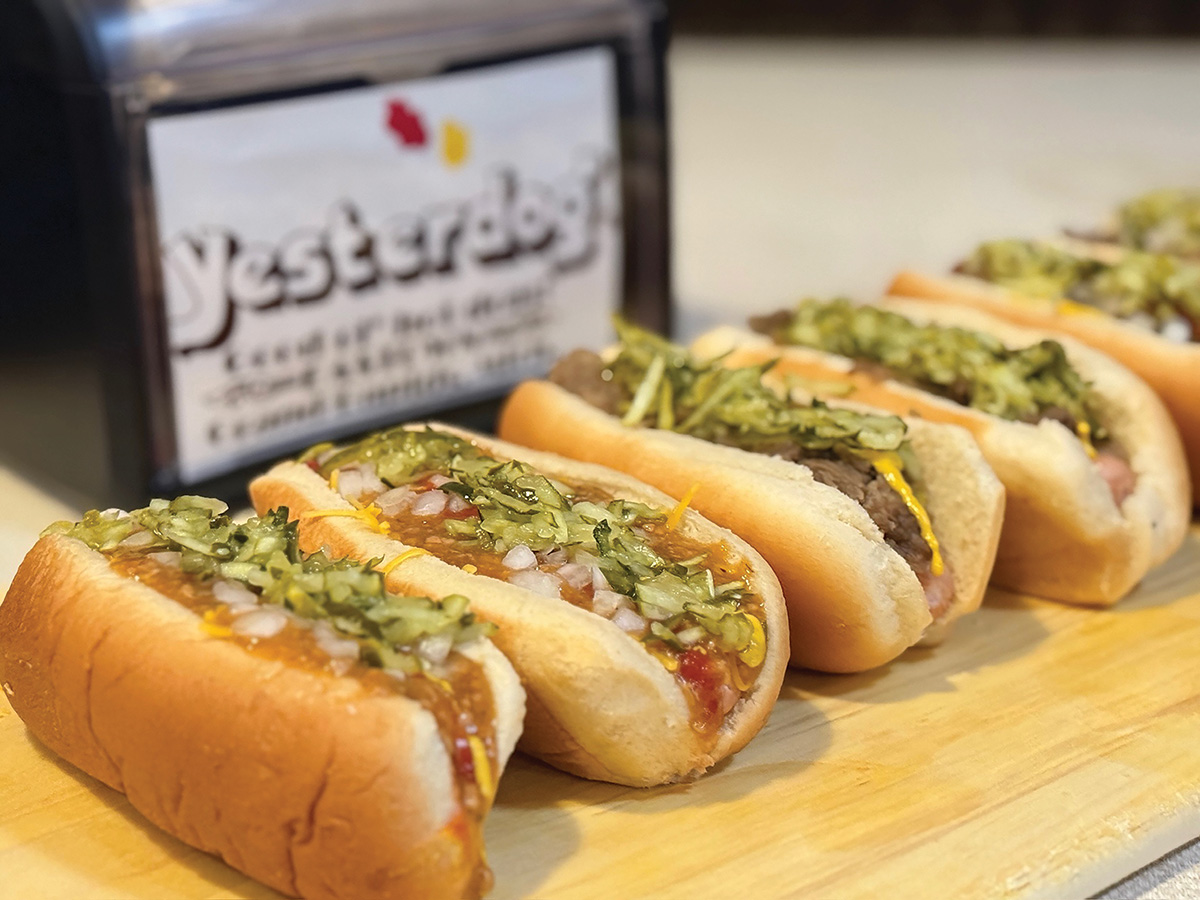
The Dog Days of Summer
Yesterdog celebrates its 50th year
In a state full of beloved hot dog destinations, few inspire the kind of devotion that Yesterdog does in Grand Rapids.
For nearly 50 years, the Eastown restaurant has been serving up simple, satisfying hot dogs—and something harder to define but just as important: a sense of place.
“We have an incredibly loyal following,” says co-owner Lisa Rapoport. “It’s been a staple in Grand Rapids for a long time, and people feel that.”
Rapoport and co-owner Pat Connor became just the second owners of Yesterdog in 2025, purchasing the restaurant from longtime owner Bill Lewis, who had operated it for nearly five decades. For them, the goal was clear from the start: preserve what generations of customers already loved.
“We’re just humble caretakers,” Rapoport says. “We’re here to make sure nobody messes with this place.”
That sense of stewardship comes at a milestone moment. Yesterdog is celebrating its 50th anniversary this year, with a week of events planned around July 23. The celebration has already begun, including the return of “Three Dog Night,” a fan-favorite promotion offering any three hot dogs for nine dollars—something longtime customers remember from years past.
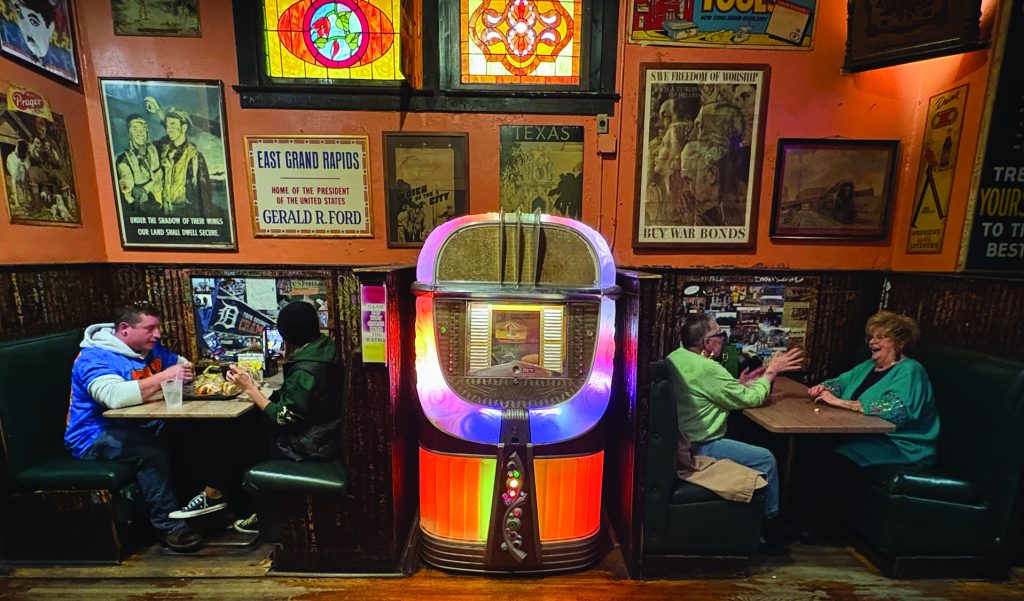
Step inside Yesterdog, and it feels like stepping into another era. Booths are carved with decades of names and initials. Walls are lined with photos of customers wearing Yesterdog shirts around the world. Vintage signs hang overhead, and even an old pay phone remains in place.
“People come in after 30 years and say it looks exactly the same,” Rapoport says. “That’s how we want it to be.”
The menu is just as straightforward: hot dogs, chips, pop—and recently, a cookie. But within that simplicity lies the foundation of Yesterdog’s identity. The chili is made inhouse using a closely guarded recipe. The sauerkraut is prepared on-site. Even the hot dogs themselves are made locally in Grand Rapids.
“It’s simple, but it’s consistent,” Rapoport says. “You know what you’re going to get every time.”
That consistency extends beyond the food. In an industry known for high turnover, Yesterdog’s staff is remarkably steady. More than half of the employees have been there for over a decade, with several staying 18 years or longer.
“You see the same faces year after year,” Rapoport says. “That’s part of what makes it feel like home.”
That sense of familiarity shows up in the stories customers bring with them. Some remember late-night stops after the bars close. Others recall first dates, prom nights, or family traditions passed down through generations.
“We always say everybody has a Yesterdog story,” Rapoport says.
Sometimes, those stories come full circle. A recent couple even left their wedding reception to stop in—bride in a white dress, napkins tucked in, eating a chili dog at the counter.
Even for those who move away, the connection remains strong. Around the holidays, the restaurant fills with returning visitors, some coming straight from the airport with suitcases in hand.
“They’ll come here before they even go to their hotel,” Rapoport says.
Yesterdog’s cultural footprint extends beyond Grand Rapids as well. The restaurant inspired the fictional hot dog spot in the film American Pie, written by Grand Rapids native Adam Herz, who grew up visiting Yesterdog and is expected to return for the anniversary celebration.
Despite its recognition—including being named Michigan’s “best cult-favorite restaurant” by Love Food magazine—Yesterdog has remained steadfastly itself. In a city that continues to evolve, it offers something increasingly rare: a place that feels unchanged.
And that, more than anything, is what keeps people coming back.

TRAVEL TIP: Order like a regular—hot dogs first. The counter team takes all dog orders on the first pass, then circles back for chips, drinks, and extras. It’s fast, all verbal, and cash only, so come prepared.
PHOTO: Yesterdog is celebrating its 50th anniversary in 2026 (Courtesy of Yesterdog)
In-State Rivalry
Michigan’s coney dog culture is famous statewide, but one of its most spirited internal rivalries is the debate between Detroit-style and Flint-style coney dogs.
Both trace their roots to early 20th-century Greek immigrant communities, but the two versions developed distinct identities — and loyal followings.
DETROIT-STYLE CONEY DOGS
Detroit’s coney tradition dates to the early 1900s, when Greek immigrants opened restaurants serving hot dogs topped with a spiced meat sauce. The most iconic spots are American Coney Island and Lafayette Coney Island, neighboring restaurants that have been rivals for decades.
A Detroit coney dog typically includes:
- A natural-casing hot dog in a steamed bun
- A loose, chili-like meat sauce made with ground beef and spices
- Yellow mustard
- Finely diced raw onions
The sauce is the defining feature. It’s savory and slightly saucy, closer to a thin chili than a dry topping. Many Detroit-style coney sauces also include subtle warm spices like cumin or chili powder.
FLINT-STYLE CONEY DOGS
Flint’s version developed later but has become just as iconic in mid-Michigan. The city’s most famous coney destination is Angelo’s Coney Island, which has been serving them since 1949. (Closed in December 2018)
A Flint coney dog usually includes:
- A natural-casing hot dog in a steamed bun
- Dry, crumbly beef topping rather than chili
- Yellow mustard
- Chopped onions
The topping—often called “Flint-style coney sauce”—is the key difference. It’s made from finely ground beef heart and spices, creating a crumbly, almost taco-like texture rather than a saucy chili. The result is meatier and less messy than the Detroit version.
THE RIVALRY
The debate largely comes down to texture and flavor:
- Detroit: saucy, chili-like, slightly spiced
- Flint: dry, crumbly, intensely beefy
Detroit partisans argue their version is the original and more flavorful. Flint fans insist the crumbly topping lets the hot dog shine and keeps the bun from getting soggy.
In truth, both styles are deeply tied to Michigan’s immigrant food history and local identity. For many Michiganders, the real answer is simple: the best coney dog is the one you grew up eating.
Explore More
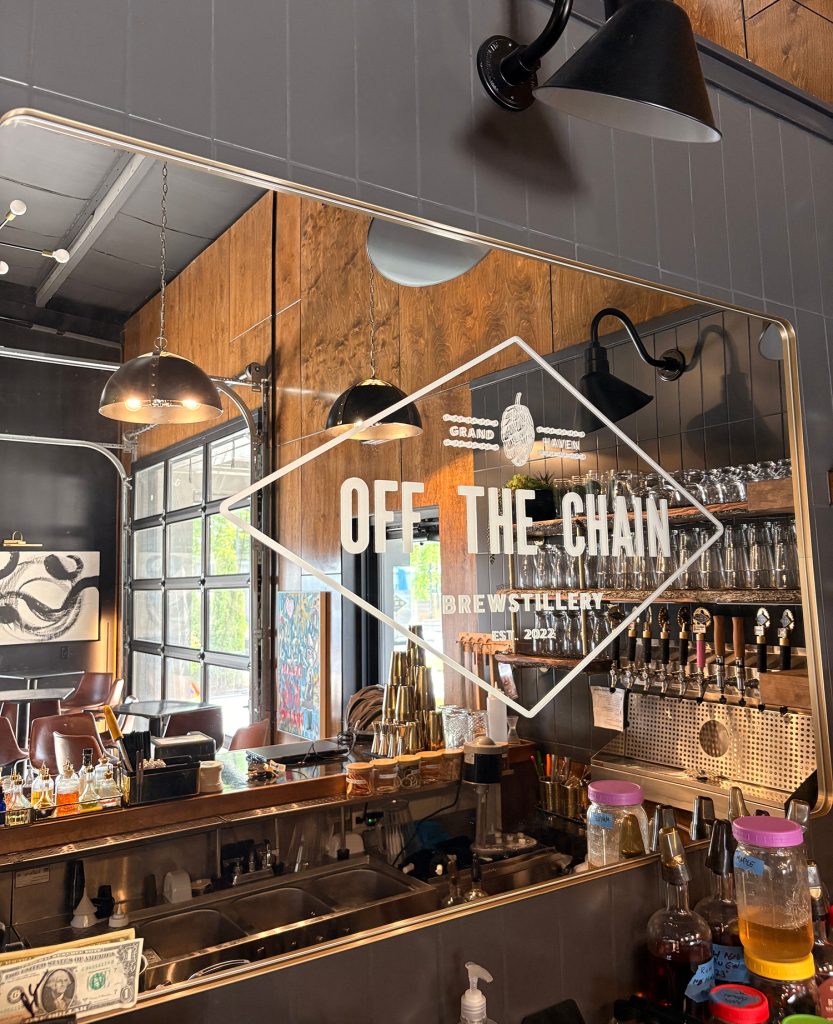
Off The Chain
Off the Chain Brewstillery pairs craft beer, house-distilled spirits and handcrafted cocktails with a distinctly loca... Read More
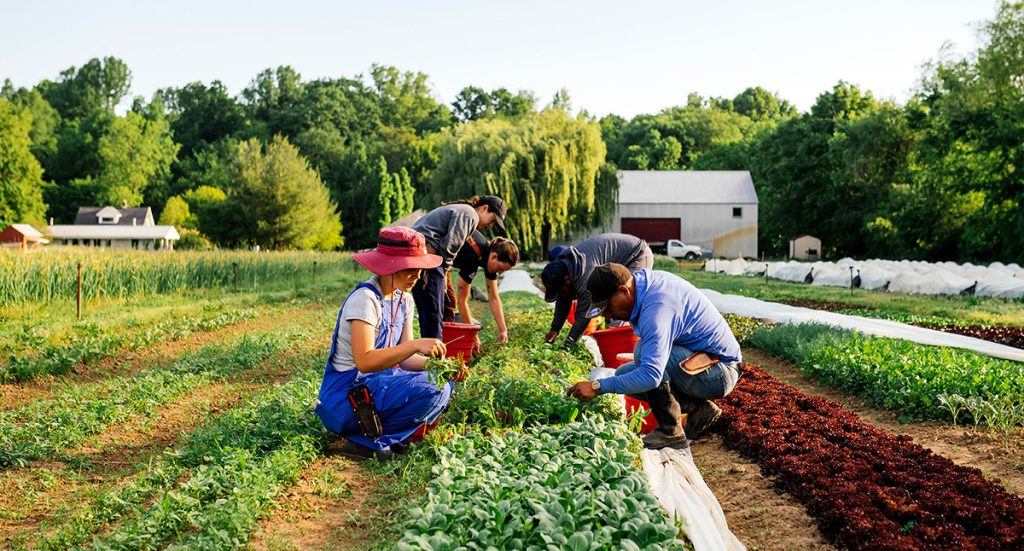
From Field To Fork
Farm-to-table restaurants where Michigan's landscapes show up on the plate. Read More

Pathways To Adventure
Michigan's scenic drives get most of the attention, but some of the state's best views aren't seen through a windshield. Read More