
Secret Gardens
A season of bloom across Michigan's hidden landscapes
Michigan’s wildflower season doesn’t arrive all at once—it unfolds over time and across the landscape.
Early spring brings blooms to shaded forest floors, followed by rare shoreline species, windswept limestone plains, and late-summer displays in wetlands. For those willing to seek them out, these places offer some of the state’s most rewarding seasonal experiences. They also reveal a quieter, more detailed side of Michigan, often missed by travelers focused on beaches and lakeshores.
Across the state, a series of preserves and sanctuaries protect these native blooms, offering a way to experience Michigan’s wildflower season up close. Some are known for brief spring spectacles, but others extend well into summer, when orchids, iris, prairie species, and wetland blooms take over. Together, they show that Michigan’s “secret gardens” are less about formal planting beds than about timing, habitat, and attention—and that the season continues long after the earliest flowers fade.
One of the most unique is the Loda Lake National Wildflower Sanctuary, located within the Huron-Manistee National Forest. Designated in 1949, it remains the only wildflower sanctuary in the entire National Forest System, a distinction that reflects both its rarity and its status. It’s easy to navigate, with a loop trail marked by numbered stations identifying native plants, while boardwalks and shaded paths wind through forest and wetland habitats. What begins with spring blooms gives way to a fuller midsummer landscape, when the mix of vegetation creates a layered, gardenlike effect without ever feeling cultivated. By midseason, the sanctuary feels less like a single destination and more like a series of environments unfolding along the trail.
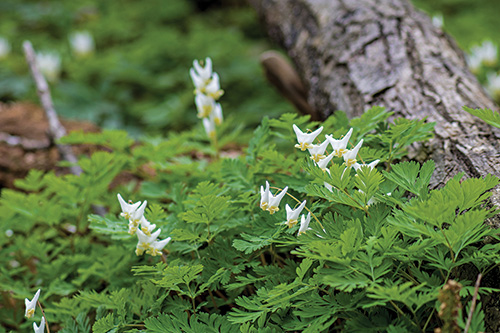
The Dowagiac Woods Nature Sanctuary is known for one of the state’s most concentrated displays of spring ephemerals. The forest floor is briefly transformed each May, when species like trillium, spring beauty, and Dutchman’s breeches bloom before the canopy fills in. Even so, the site remains compelling beyond peak bloom, as the hardwood forest settles into deep shade and the structure of the landscape takes over, offering a different experience.
That progression continues at the Nan Weston Nature Preserve at Sharon Hollow, where trails follow the River Raisin through wooded ravines and open meadows. Early blooms give way to summer grasses, ferns, and later wildflowers, creating a landscape that shifts in texture as the season advances. The change is gradual, but noticeable, rewarding repeat visits.
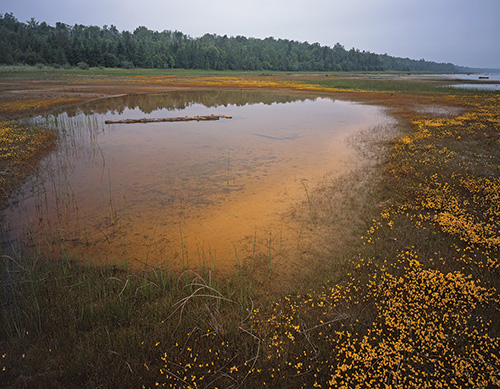
The Grass Bay Preserve offers a different kind of botanical diversity. More than 300 species of vascular plants have been documented here, including rare finds like dwarf lake iris and carnivorous bladderworts. Its mix of wetlands, shoreline, and open habitat creates conditions for species that are difficult to find elsewhere. It’s a place where small changes in terrain produce entirely different plant communities.
The Trillium Trail Nature Sanctuary provides an accessible introduction to Michigan’s native wildflowers. In addition to its namesake blooms, the sanctuary supports colonies of violets—including yellow and the uncommon spurred variety—along with wild geranium and marsh marigold. Best known for spring, when carpets of trillium line the forest floor, it remains a short, well-maintained walk into early summer.
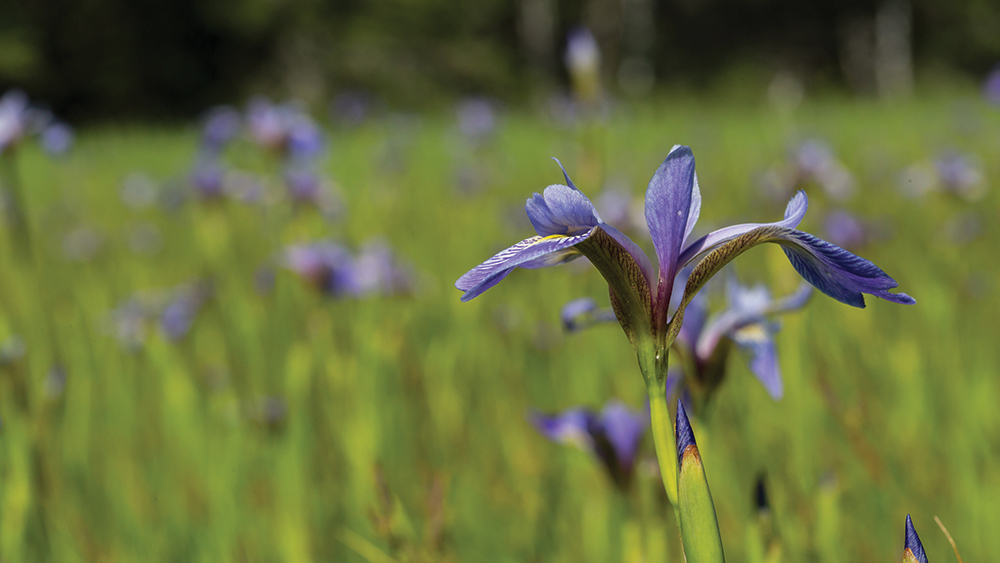
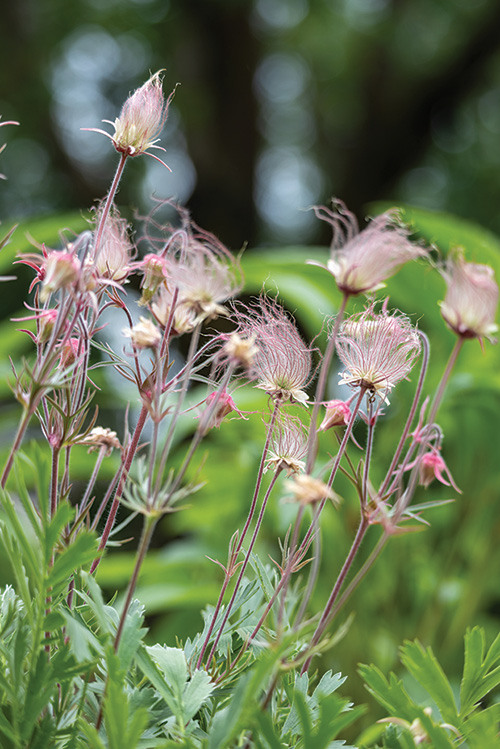
On Drummond Island, the Maxton Plains Preserve offers one of the most unusual wildflower landscapes in the Midwest. This rare alvar ecosystem—a limestone plain with thin soil and unique growing conditions—supports species found in only a handful of places in North America. In June, prairie smoke and dwarf lake iris bloom together, shaped by both geology and climate.
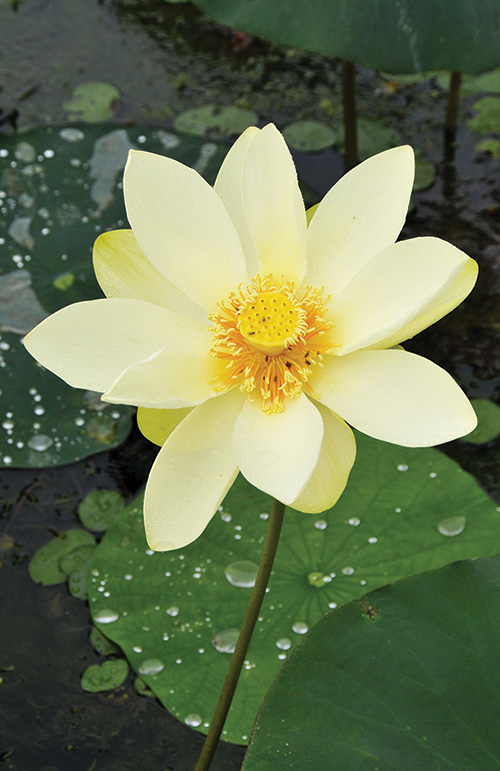
Later in the season, the Erie Marsh Preserve reveals a different kind of bloom cycle. From mid to late August, American lotus spreads across the water in large, pale yellow flowers, giving the marsh an almost tropical character. The wetlands also support a wide range of birdlife, adding another layer to the experience and making it feel especially active at the height of summer.
What ties these places together isn’t just the flowers themselves, but the timing. Unlike more traditional gardens, these landscapes don’t peak all at once. They change week by week, shaped by temperature, rainfall, light, and water levels.
That means visiting them requires a bit of planning—and a bit of luck. But it also means no two visits are quite the same. In Michigan’s wildflower sanctuaries, the reward isn’t just what you see. It’s catching the season in motion.
TOP PHOTO: Maxton Plains Preserve (THE NATURE CONSERVANCY © JASON WHALEN)
Explore More

Off The Chain
Off the Chain Brewstillery pairs craft beer, house-distilled spirits and handcrafted cocktails with a distinctly loca... Read More
From Field To Fork
Farm-to-table restaurants where Michigan's landscapes show up on the plate. Read More
Pathways To Adventure
Michigan's scenic drives get most of the attention, but some of the state's best views aren't seen through a windshield. Read More